
Repair or Replace: Heat Pump and Air Conditioner Decisions
Updated 2026-09-08
When a heat pump or air conditioner breaks down, the question is rarely simple: repair the unit you have, or put that money toward a replacement. The right answer depends on the age of the equipment, how often it has failed, whether parts are still available, and how well it has been keeping you comfortable. This guide sets out the factors worth weighing before you decide.
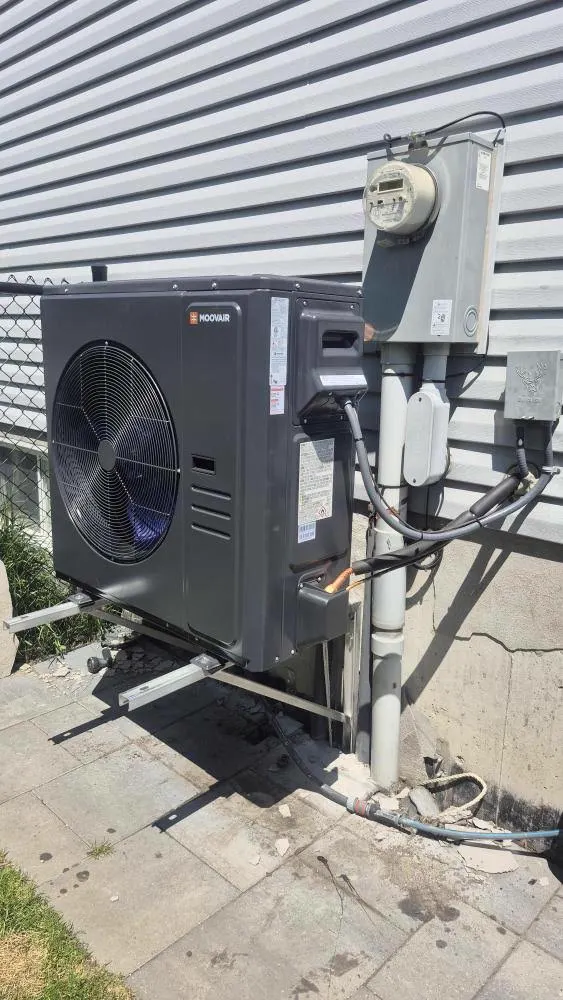
Age of the equipment
Heat pumps and air conditioners have a typical service life, though this varies by brand, usage, maintenance history, and how the unit was installed. As equipment approaches the upper end of its expected lifespan, a major repair on an older unit is a less certain investment than the same repair on a newer one, since other components may be closer to failing too.
Frequency of past repairs
- A single isolated failure on an otherwise reliable unit often justifies a straightforward repair.
- Repeated calls for the same or different issues within a short period suggest the system is nearing the end of its useful life.
- Rising repair costs over successive visits are worth tracking, since they can add up to a significant portion of a replacement cost over time.
Parts availability
Some manufacturers discontinue parts for older models, particularly as refrigerants and compressor designs change. If a needed part is backordered, discontinued, or only available as a used or refurbished component, a repair may take longer and be less reliable than expected. Ask your technician directly whether the required part is still in active production.
Refrigerant type
Older systems may use refrigerants that have been phased down or restricted, which can make refrigerant itself harder to find and more costly when it is available. If your system needs a significant refrigerant charge or has a leak requiring repeated top-ups, ask what refrigerant it uses and whether that affects the practicality of continuing to repair it.
Winter performance and comfort
- If your heat pump struggles to keep up on the coldest days, this may reflect an aging compressor or an original sizing or model limitation rather than something a simple repair can fix.
- Uneven heating or cooling between rooms can point to a system that is no longer well matched to your home.
- Noticeable increases in run time or unusual cycling patterns are worth mentioning to a technician, as they can indicate declining performance.
A simple decision method
- Estimate the repair cost as a share of a full replacement; a high share tips toward replacement, especially on older units.
- Count repairs over the last two to three years; frequent repairs favour replacement.
- Check parts and refrigerant availability with your technician before committing to a repair.
- Weigh comfort complaints (cold rooms, uneven temperatures, poor winter output) that a repair is unlikely to solve.
- If replacing, use the opportunity to review sizing and zoning rather than simply matching the old unit.
When repair is usually the right call
If the unit is relatively young, has a good maintenance history, the failure is a discrete and inexpensive component, parts are readily available, and comfort has otherwise been satisfactory, a repair is often the more reasonable next step. Getting a clear diagnosis in writing helps you make this call with confidence rather than guessing.
Official sources
Frequently asked questions
How old is too old for a heat pump repair?
There is no single cutoff, since it depends on the brand, maintenance history, and the specific failure. As a system gets older, it becomes more worthwhile to compare the repair cost against a replacement rather than assuming repair is automatically cheaper.
Is it normal for a heat pump to need more repairs in winter?
Heat pumps work harder during extended cold periods, which can expose weaknesses in aging components. Frequent winter breakdowns are worth discussing with a technician to determine whether the unit is still well suited to our climate.
Can a technician tell me if parts are still available before I pay for a diagnosis?
In many cases a technician needs to diagnose the specific fault before knowing exactly which part is required, but you can ask upfront whether your model is known to have parts availability issues.
Does replacing my air conditioner also mean replacing my furnace?
Not necessarily, though in some configurations the coil and furnace are matched components. A technician can tell you whether your existing furnace or air handler is compatible with new cooling or heat pump equipment.
What should I do while I decide between repair and replace?
Ask for a written diagnosis and repair estimate, and request a separate replacement estimate for comparison. Avoid running a failing system in a way that risks further damage, and ask the technician whether it is safe to operate in the meantime.
Further reading
- Heat pump repairError codes, icing, noise, loss of performance.
- Heating repairHeating failures: diagnosis and repair.
- Heat pump replacementReplacing an end-of-life unit without surprises.
- MaintenanceSeasonal heating and cooling maintenance.
- Heat pump costWhat makes the bill vary from one project to the next.
Ready to move forward?
We assess your home before recommending equipment. No obligation.
Call us 24/7 — Our phone line is open at all times. Technician availability is confirmed during the call.