
A Season-by-Season Maintenance Checklist
Updated 2026-09-08
Regular, simple upkeep can help heating, ventilation, and cooling equipment run more reliably through the year, but not every task on a checklist is something a homeowner should do themselves. This guide separates the simple, owner-level tasks, such as changing filters, clearing snow from an outdoor unit, or checking a thermostat, from the work that involves refrigerant, electrical components, or a burner, which should always be left to a qualified technician. Treat this as a general reference; your specific equipment's manual and your contractor's recommendations take priority.
What homeowners can reasonably do themselves
- Check and replace or clean furnace, air handler, and ductless indoor unit filters on the schedule recommended by the manufacturer.
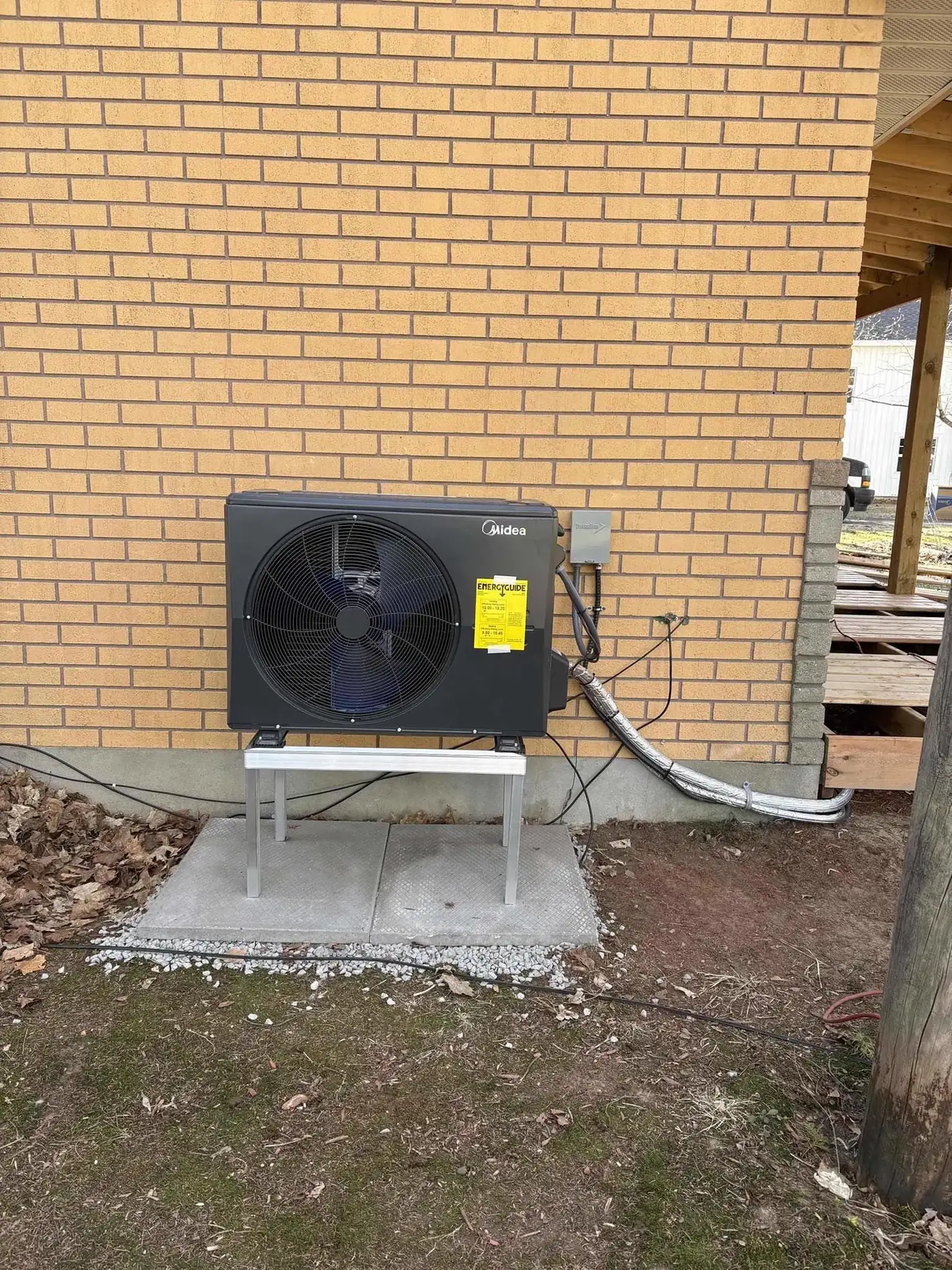
- Clear leaves, snow, and debris from around an outdoor heat pump or air conditioner unit, keeping vents unobstructed.
- Confirm the thermostat is set correctly, has fresh batteries if applicable, and that any programmed schedule matches your actual routine.
- Check that a visible condensate drain line is not obviously blocked or leaking, and wipe away visible dust from accessible vents and registers.
What must be left to a qualified technician
- Anything involving refrigerant, including checking charge level, searching for leaks, or recovering and recharging refrigerant.
- Any electrical work, including inspecting or servicing circuits, breakers, capacitors, or wiring connections.
- Burner inspection, cleaning, or adjustment on any furnace or combustion appliance.
- Opening sealed components, such as a compressor housing or a sealed coil compartment.
- This work requires training, certification (including halocarbon handling certification for refrigerant), and proper tools, and attempting it without those can be unsafe and can void warranties.
Fall checklist, before heating season
- Owner: replace or clean furnace and heat pump filters.
- Owner: clear debris from around the outdoor heat pump unit.
- Technician: annual furnace or heat pump inspection and combustion safety check, if applicable.
- Technician: verify refrigerant charge and electrical connections on a heat pump before the heating season begins.
Winter checklist
- Owner: keep snow and ice cleared from around the outdoor unit after storms, without chipping at the coil or fins.
- Owner: watch for unusual noises, reduced airflow, or a unit that seems to run constantly without keeping up.
- Technician: address any ice buildup on the outdoor unit that does not clear during normal defrost cycles, since this can indicate a mechanical issue.
- Technician: any furnace short-cycling, burner odour, or carbon monoxide alarm should be treated as urgent and referred to a professional immediately.
Spring checklist, before cooling season
- Owner: replace or clean filters after a winter of heavy use.
- Owner: clear the area around the outdoor condenser once snow has melted.
- Technician: pre-season air conditioner or heat pump check, including verifying refrigerant charge and cleaning the outdoor coil.
- Technician: inspect the condensate drain system beyond what is visible, and clear any internal blockage.
Summer checklist
- Owner: check filters more frequently during heavy cooling use, since dust accumulates faster with more airflow.
- Owner: confirm the outdoor unit has clear airflow on all sides and is not shaded by overgrown vegetation.
- Technician: address any cooling capacity complaints, ice on the indoor coil, or unusual sounds promptly rather than waiting for a scheduled visit.
Ventilation equipment (HRV/ERV) notes
- Owner: clean or replace HRV/ERV filters on the manufacturer's schedule, generally more often than furnace filters.
- Owner: check exterior intake and exhaust hoods for obstruction by snow, leaves, or insect nests.
- Technician: core cleaning, balancing airflow between rooms, and inspecting the condensate drain on ventilation equipment.
When to call sooner than the schedule suggests
A checklist assumes normal operation. If you notice a burning smell, water pooling near equipment, a breaker that trips repeatedly, a carbon monoxide alarm, or a system that stops responding to the thermostat entirely, do not wait for the next seasonal check. These situations call for a technician promptly rather than a homeowner attempting to diagnose or work around the problem.
Official sources
Frequently asked questions
How often should I change my furnace or heat pump filter?
This depends on the filter type and manufacturer's recommendation, but many homes benefit from checking monthly during heavy use and replacing or cleaning as needed rather than waiting for a fixed calendar date.
Can I clean the outdoor coil of my heat pump myself?
Clearing loose debris and snow around the unit is a reasonable owner task, but cleaning the coil fins themselves, especially with chemicals or pressure washing, can damage delicate fins or push debris further in, and is best left to a technician.
Is it safe to check my own refrigerant level?
No. Checking or adjusting refrigerant charge requires gauges, training, and halocarbon handling certification, since refrigerant is a regulated substance that must be recovered properly rather than released. This is technician-only work.
What is the single most important owner task on this list?
Regular filter maintenance is the task most homeowners can do consistently and that has the clearest, most direct effect on airflow and equipment strain, but it does not replace periodic professional inspection.
Further reading
Ready to move forward?
We assess your home before recommending equipment. No obligation.
Call us 24/7 — Our phone line is open at all times. Technician availability is confirmed during the call.